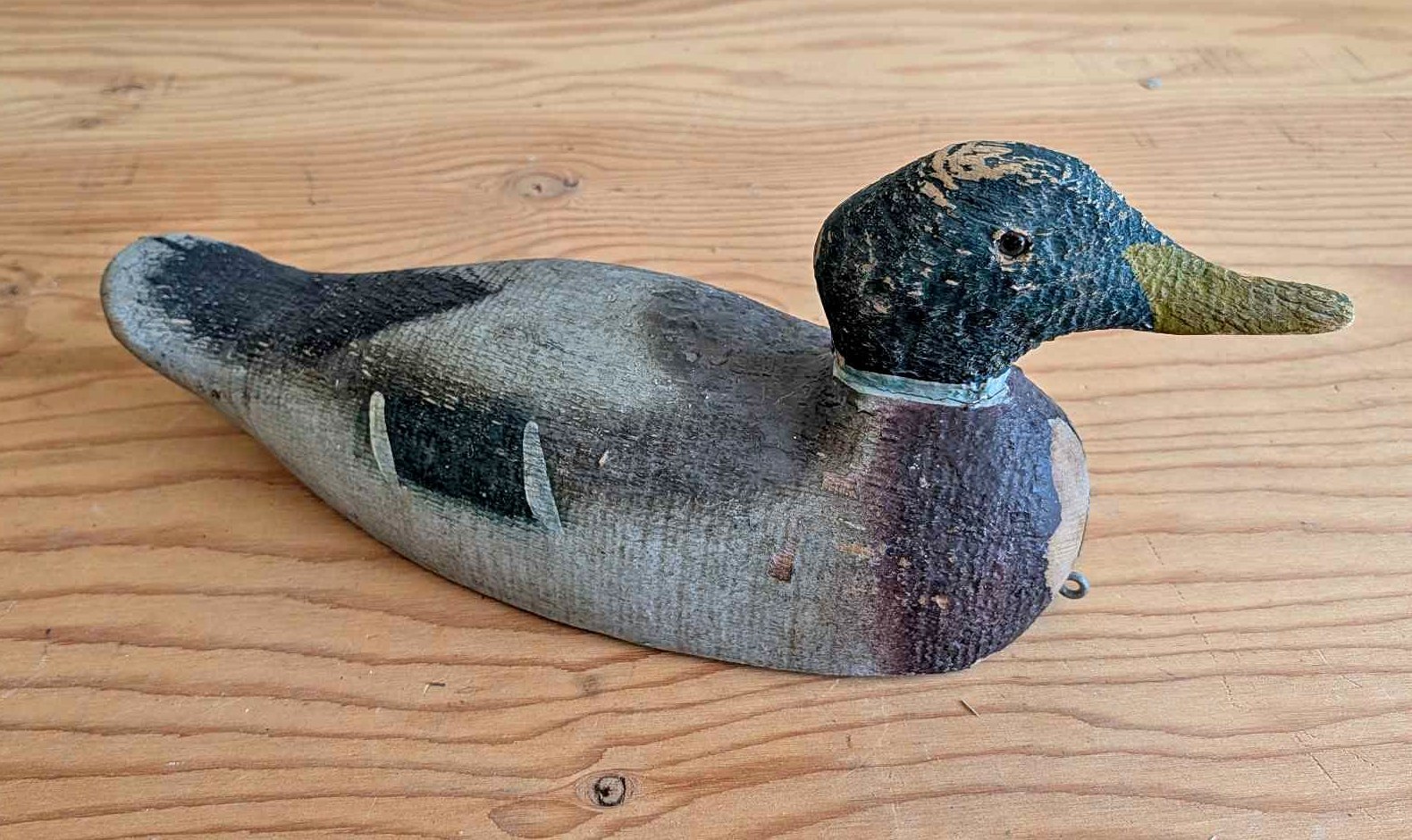
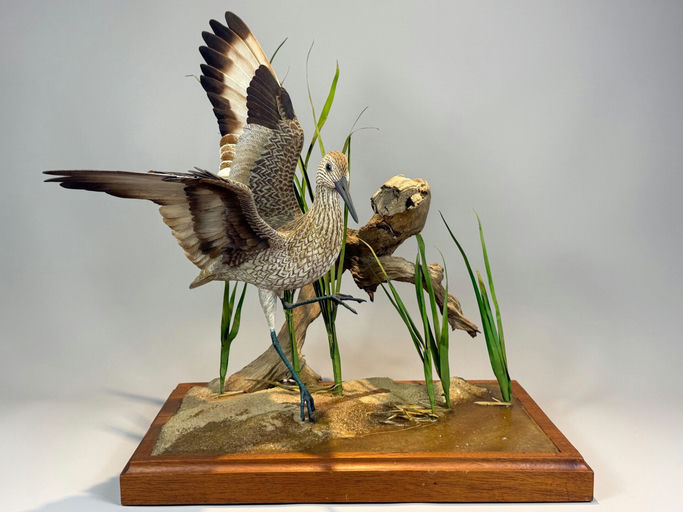
Found a decoy?

Find out what your old, vintage decoy is worth

You found an old decoy. Is it worth anything? The honest answer is that it's almost certainly a factory bird worth $20 to $50. However, one in a thousand is something a collector would drive across the state for, and the difference isn't always obvious to the eye. That's where I come in. I've tracked thousands of real auction results, and I can tell you in about five minutes which bird you're holding.

Send me a photo — it’s free

Send me four photos: the top view, both sides, and the bottom of the decoy. I aim to reply in less than 24 hours.

Or run the five-minute check yourself ↓

Your decoy is almost certainly one of three things

Carvers who field identification requests say the same thing: nearly every bird that comes in is a factory decoy. Here's how the three outcomes look, and what to do with each.

Most likely · 9 in 10

A cabin bird

$20 – $50

A factory decoy from Mason, Pascagoula, Herter's, or Victor, in later or repainted condition. Mass-produced, well-loved, and genuinely nice to look at. Keep it on the mantel; don't expect an auction house to want it.

Sometimes · 1 in 10

Worth a closer look

$100 – $1,500

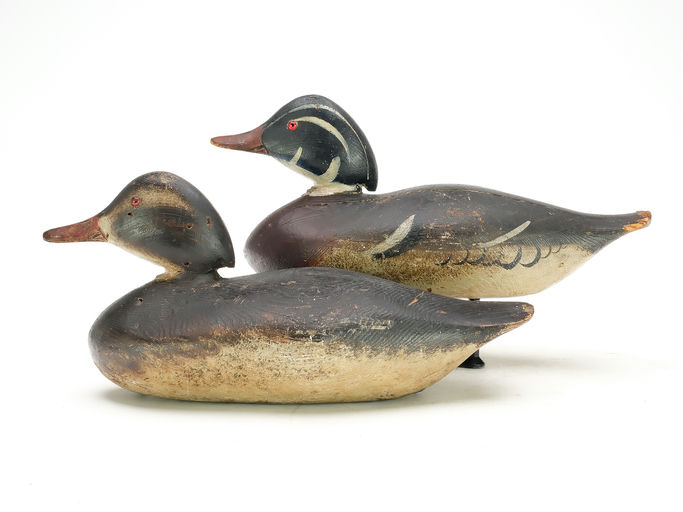
A factory bird in original paint and a better grade, or a hand-carved working decoy by a regional maker. These show up in the weekly online auctions all the time. Compare it against the maker's page here before you decide anything.

Rare · 1 in 1,000

The one

$2,000 and up

A known carver, a documented rig, original paint, honest wear. Somebody finds one of these every year, usually without knowing what they have. If the checklist below keeps saying yes, stop and talk to a carver before you do anything else.

The five-minute check

What an expert looks at first

When a photo lands in an experienced collector's inbox, they've usually sorted it in under a minute. These are the things they check, in the order they check them. Work through all five.

Written with help from carvers who answer these questions for free, every week.

  1. 1

    Flip it over

    The bottom tells you more than the top. Look for a stamp, a brand, initials burned or carved in, a name in paint, or a weight that's been there a long time. A Mason bottom looks nothing like a hand-carved one. Take a clear photo of the bottom whatever you find.

  2. 2

    Look at the eyes

    Glass eyes, tack eyes, painted eyes, or no eyes at all. Factories used glass on their better grades and paint or tacks on the cheap ones. A hand carver's eye choice is one of their signatures.

  3. 3

    Is the paint original?

    Old paint goes dry, crazes into a fine web, and wears through at the high spots — the head, the breast, the tail. A repaint looks even, glossy, and fills the cracks. Original paint in worn condition beats a fresh repaint every single time.

  4. 4

    Pick it up

    Solid or hollow? Wood, cork, or something lighter? A hollow-carved bird with a bottom board took real skill and time. Check for a keel or weight on the bottom and whether the head is a separate piece. Note the length, bill to tail.

  5. 5

    Where did it come from?

    Whose was it, and where did they hunt? Decoys were carved for a particular water, and the style tells a carver where it was made. "Grandpa's, from the bay near Tacoma" is real information. Write down whatever the family remembers.

The usual suspects

If step one turned up a stamp or a familiar shape, it's probably one of these. Each links to that maker's page, where every auction result we've recorded is listed — what the bird actually brought, not what someone hoped it would.

Not one of these? Browse all makers — sorted by region, with a photo of each one's record bird.

Typical is the middle price of the last twelve months, including the buyer's premium; a dash means fewer than 10 sales in that window. Record is the highest price in our records.

What the one in a thousand looks like

The big finds don't usually look like much. They're dirty, the paint is worn, and they've been in a shed for fifty years. What sets them apart is the combination: a bird that passes all five checks at once, and a style a carver can place to a region and a hand.

  • Hand-carved, not factory-turned — look for tool marks, not lathe rings
  • Original paint with dry, crazed surface and honest gunning wear
  • A brand, stamp, or initials that tie it to a known rig or carver
  • A family story that names a place and a decade
  • A species or pose that's unusual for its region

The decoys worth real money came from a handful of places

If your bird came out of a barn, a boathouse or a grandfather's closet near one of these green marks, it is worth a second look before it goes in a yard sale. Tap a region to see who carved there and what their birds have sold for.

Boundary BayPuget SoundHumboldt BayGreat Salt LakeMinnesotaWisconsinLake Erie marshesNew BrunswickQuebecGeorgiaTexas Gulf CoastLower ColumbiaSan Francisco BayIllinois RiverLouisiana bayousDetroit

Northeast and Mid-Atlantic hotspots are shown enlarged below.

Chesapeake W. shoreLong IslandTorontoSt. LawrenceCoastal MaineCape CodConnecticut shoreDelaware RiverBarnegat BaySusquehanna FlatsEastern Shore MD/VABack BayCore Sound

Price ranges are rough guides for now, until they're worked out from the sales in our records. They describe birds in original paint and sound condition; repainted or repaired birds sell for a fraction.

Still not sure?

I'll tell you what you're holding.

Not sure what you've got? You don't need to know anything about decoys to find out. Send a few photos and whatever you know about where it came from, and I'll take the first look. If it's a factory bird, I'll tell you straight and you can stop wondering. If it looks like more than that, I'll pass it to someone who knows that region's birds for a second opinion. There's no charge, no pressure to sell, and you'll know what you have before anyone talks about money.

I buy decoys

I've been around waterfowling and decoys my whole life, and I'm always looking to add to my collection. If your bird turns out to be the real thing and you'd rather sell than hold onto it, I'll make you a fair cash offer: no auction fees, no damage during shipping, no six-month wait, money in hand.

You'll see what comparable birds have sold for before I name a number, and I'll always tell you if auction would do better.

Carver or collector who'd like to be one of the people I call? Tell me.
Photos
Top view
Left side
Right side
Bottom * (the one that matters most)
What do you want to know?

Your photos stay with me. I won't post them or add them to the database without asking you first.